


I didn’t believe in treatment anymore.
Not in the hopeful “maybe someday” way. I mean the kind of disbelief that settles into your bones after trying and failing more than once.
I had done therapy. I had gone to meetings. I had sat in rooms where people promised recovery would change everything.
For a while, I believed them.
Then the same patterns came back.
The drinking.
The quiet shame.
The slow return to habits I swore I had left behind.
So when someone suggested trying a structured daytime recovery program, I didn’t feel hopeful.
I felt tired.
And honestly, a little angry.
The Moment You Stop Believing Recovery Will Work
If you’ve tried to get sober before and things didn’t stick, you might recognize this moment.
It’s not dramatic.
It doesn’t involve a breakdown or a crisis.
It’s quieter than that.
At some point, you stop arguing with yourself about whether things will improve.
You start thinking:
Maybe this is just how my life is now.
That belief is dangerous because it doesn’t feel dramatic. It feels calm. It lowers expectations slowly until surviving feels like the only realistic goal.
That’s exactly where I was.
Why I Tried Again Even Though I Didn’t Believe
People sometimes imagine that the decision to enter treatment comes from hope.
For me, it came from exhaustion.
I was tired of repeating the same cycle.
Promise to change.
Hold it together for a few weeks.
Convince myself I had control again.
Then slide right back into the same patterns.
Each time that happened, it chipped away at my confidence.
Eventually I stopped believing that recovery worked for people like me.
Trying structured daytime care wasn’t a confident decision.
It felt more like putting one last key into a lock I was certain wouldn’t open.
Walking Into the Room With a Chip on My Shoulder
The first day I showed up, I expected the same thing I had seen before.
Motivational speeches.
Overly cheerful optimism.
People telling me I just needed the right mindset.
Instead, something different happened.
People were honest.
Staff didn’t pretend recovery was simple. They talked about how difficult it can be. They talked about relapse, doubt, and the messy middle that most people experience.
That honesty caught my attention.
Because for the first time, I didn’t feel like I had to pretend I believed in the process.
Meeting Other People Who Felt the Same Way
One of the biggest surprises was the people I met.
I expected to meet individuals who were enthusiastic about recovery.
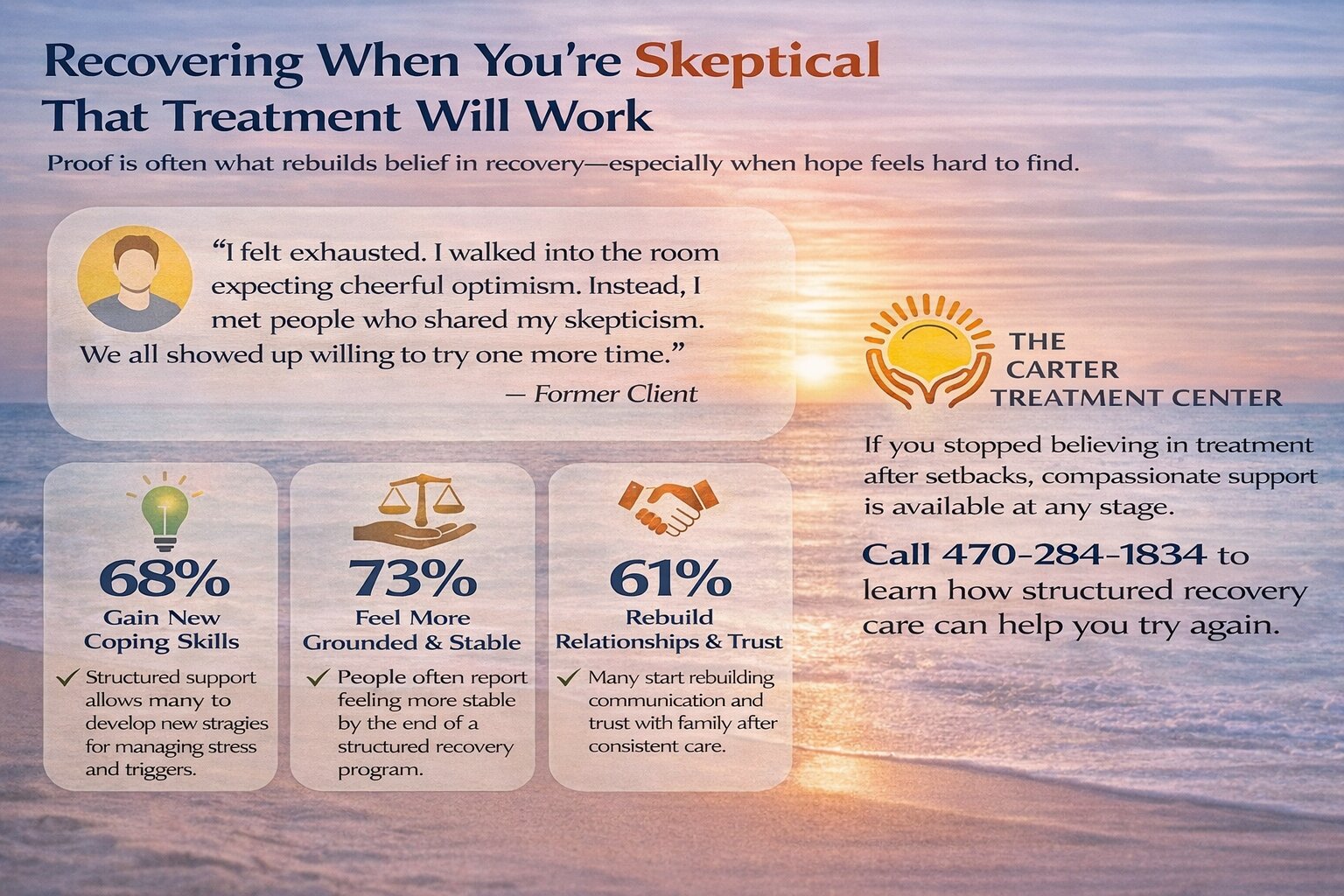
Instead, I met people who looked exhausted — just like me.
People who had tried treatment before.
People who had relapsed.
People who weren’t convinced anything would change.
That room was full of skeptics.
And strangely, that made it easier to stay.
Because nobody was pretending recovery was simple.
Everyone there knew how hard it could be.
What the Work Actually Looked Like
Before this experience, I thought recovery was mostly talking about feelings.
There were conversations, of course.
But the real work went deeper than that.
We talked about how stress affects the brain.
We examined the moments in our day when old habits were most likely to return.
We practiced strategies for navigating cravings, conflict, and exhaustion.
Instead of hearing motivational speeches about staying sober forever, we focused on practical steps for handling the next challenge.
Recovery started to feel less like inspiration and more like learning a new set of life skills.
The Small Changes That Started to Appear
For the first few weeks, I still told people I didn’t think treatment would work.
But something interesting happened.
Small things began to shift.
I slept better.
My thinking felt clearer.
I reacted less impulsively when stress showed up.
None of it felt dramatic.
There were no sudden breakthroughs.
But it was like slowly adjusting the focus on a blurry camera lens.
Things that once felt chaotic started to make more sense.
The Evidence That Changed My Perspective
What eventually shifted my skepticism wasn’t inspiration.
It was evidence.
Evidence that structure helped me stay grounded.
Evidence that other people in the room had rebuilt their lives after similar struggles.
Evidence that my mind worked differently when alcohol wasn’t controlling the pace of my day.
Belief didn’t arrive first.
It came later, after I started seeing real changes.
And those changes made it harder to keep telling myself recovery never works.
The Truth About Trying Again
One of the biggest lessons I learned was that skepticism doesn’t disqualify you from recovery.
You don’t have to believe treatment will work.
You don’t have to feel inspired.
You just have to be willing to show up long enough to see what happens.
Sometimes the door to recovery doesn’t open because someone feels confident.
Sometimes it opens because they’re simply tired of living the same story over and over again.
Frequently Asked Questions
What if I’ve already tried treatment before and it didn’t work?
Many people enter recovery programs after previous attempts that didn’t stick. Different treatment environments, approaches, and timing can make a significant difference.
Is it normal to feel skeptical about treatment?
Yes. People who have struggled with relapse or past disappointments often feel unsure about trying again. That skepticism is common and understandable.
Do I have to believe in recovery for treatment to help?
No. Many individuals begin treatment feeling doubtful. Progress often comes from participation and support rather than initial belief.
What makes structured daytime care different from other treatment options?
Structured daytime care provides consistent support throughout the week while allowing individuals to return home each day.
Can someone rebuild stability after multiple relapses?
Yes. Many people who eventually find lasting recovery have experienced several setbacks along the way.
What if I feel embarrassed about needing help again?
Feeling embarrassed is very common, but recovery communities understand that change is rarely a straight line. Returning for support is a sign of persistence, not failure.
How long does structured daytime treatment usually last?
The length of care varies depending on each person’s needs, progress, and recovery goals.
Is recovery possible even after years of struggling?
Yes. Many people find stability after years of difficulty. Recovery often begins when someone decides they are willing to try one more time.
If you’ve tried to get better before and feel unsure about trying again, you’re not alone.
Many people who once believed treatment wouldn’t work eventually found progress through compassionate support and structured care.
For individuals seeking support in metro atlanta, recovery programs exist that welcome people exactly where they are — even if they arrive skeptical or unsure. Continued recovery support is available for those seeking care in Alpharetta, GA and Jefferson, GA.
Call 470-284-1834 or visit our structured daytime recovery options to learn more about our partial hospitalization program services.