


There may have been a time when you trusted your own instincts.
Then, slowly, something changed.
You started apologizing for things you didn’t think were your fault. You questioned your memory after being told events “never happened that way.” You found yourself walking on eggshells, constantly trying to avoid conflict while wondering why nothing you did ever seemed good enough.
Eventually, you stopped asking, “Why are they treating me this way?” and started asking, “What’s wrong with me?”
If this feels familiar, you are not alone.
Many people who have lived through emotionally manipulative relationships describe feeling confused, anxious, emotionally exhausted, and disconnected from the person they used to be. These experiences are often associated with narcissistic abuse—a pattern of emotional and psychological manipulation that can leave lasting effects long after the relationship has ended.
The most important thing to understand is this: your experience matters. Whether or not the other person has a formal mental health diagnosis, the emotional impact on you is real. At The Carter Treatment Center, we provide compassionate, trauma-informed trauma treatment for adults throughout North Atlanta, including Alpharetta, Cumming, and Jefferson, helping survivors process what happened and begin rebuilding their lives.
What Narcissistic Abuse Is
Narcissistic abuse refers to a pattern of emotionally harmful behaviors that can occur in relationships where one person repeatedly manipulates, controls, invalidates, or exploits another.
Importantly, this term describes the survivor’s experience, not a diagnosis of the other person.
Someone does not need to have a diagnosed personality disorder for a relationship to become emotionally abusive.
Instead of focusing on labeling another person’s mental health, it is often more helpful to recognize how the relationship affected your emotional well-being.
Over time, repeated emotional manipulation can cause someone to:
- Lose confidence in their own judgment.
- Constantly second-guess themselves.
- Feel responsible for another person’s behavior.
- Become isolated from friends and family.
- Believe they are “too sensitive.”
- Ignore their own needs to avoid conflict.
Many survivors describe feeling as though they slowly lost their sense of identity without realizing it was happening.
The Common Tactics
Emotional abuse rarely begins with obvious cruelty.
Many relationships start with intense affection, attention, or idealization before gradually becoming controlling or emotionally damaging.
Although every relationship is different, several manipulation patterns are commonly reported.
Gaslighting
Gaslighting is a form of psychological manipulation that causes someone to question their own memories, perceptions, or reality.
Examples may include:
- “That never happened.”
- “You’re imagining things.”
- “You’re too emotional.”
- “You’re remembering it wrong.”
Over time, repeated gaslighting can make it increasingly difficult to trust your own thoughts and feelings.
Love-Bombing
Early in the relationship, someone may provide overwhelming attention, affection, compliments, or promises about the future.
This intense closeness can create a strong emotional bond very quickly.
When that level of affection later disappears, many people spend months—or years—trying to regain the version of the relationship they experienced in the beginning.
The Devaluation and Discard Cycle
After periods of closeness, criticism may become increasingly common.
The person may:
- Minimize your accomplishments.
- Criticize your appearance.
- Blame you for problems.
- Withhold affection.
- Alternate between kindness and rejection.
Some relationships eventually end abruptly through emotional withdrawal, abandonment, or replacement with another partner, leaving survivors feeling shocked and deeply confused.
Isolation
Controlling relationships often become smaller over time.
Someone may discourage contact with:
- Friends
- Family
- Coworkers
- Support systems
Isolation makes manipulation more effective because fewer outside perspectives are available to challenge what is happening.
Constant Blame-Shifting
Instead of accepting responsibility, the other person may consistently redirect blame.
Conversations become focused on your reactions rather than their behavior.
Eventually, many survivors begin assuming they are responsible for every conflict.
The Trauma It Causes
The emotional impact of prolonged psychological abuse can continue long after the relationship ends.
Many survivors describe feeling physically safe but emotionally trapped.
Erosion of Self-Worth
Repeated criticism, invalidation, and manipulation often change how people see themselves.
They may begin believing:
- “I’m difficult.”
- “I ruin relationships.”
- “Nobody else would want me.”
- “Everything is my fault.”
These beliefs often persist even after leaving the relationship.
Hypervigilance
Many survivors remain constantly alert for conflict.
They may:
- Overanalyze conversations.
- Apologize excessively.
- Fear making mistakes.
- Feel startled by raised voices.
- Struggle to relax.
The nervous system may continue expecting danger even after the abusive environment has ended.
Difficulty Trusting Others
When trust has repeatedly been broken, opening up again can feel frightening.
Some people avoid relationships entirely.
Others constantly worry they will be manipulated again.
Both responses are understandable after relational trauma.
Symptoms Consistent With Complex Trauma
Long-term emotional abuse can contribute to symptoms commonly associated with complex post-traumatic stress (C-PTSD) or other trauma-related conditions.
These may include:
- Emotional numbness
- Intrusive memories
- Anxiety
- Chronic shame
- Difficulty regulating emotions
- Persistent self-doubt
- Relationship difficulties
Not everyone who experiences narcissistic abuse develops C-PTSD, but ongoing relational trauma is well recognized as a potential contributor to complex trauma symptoms.
A qualified mental health professional can provide an accurate assessment and recommend appropriate care.
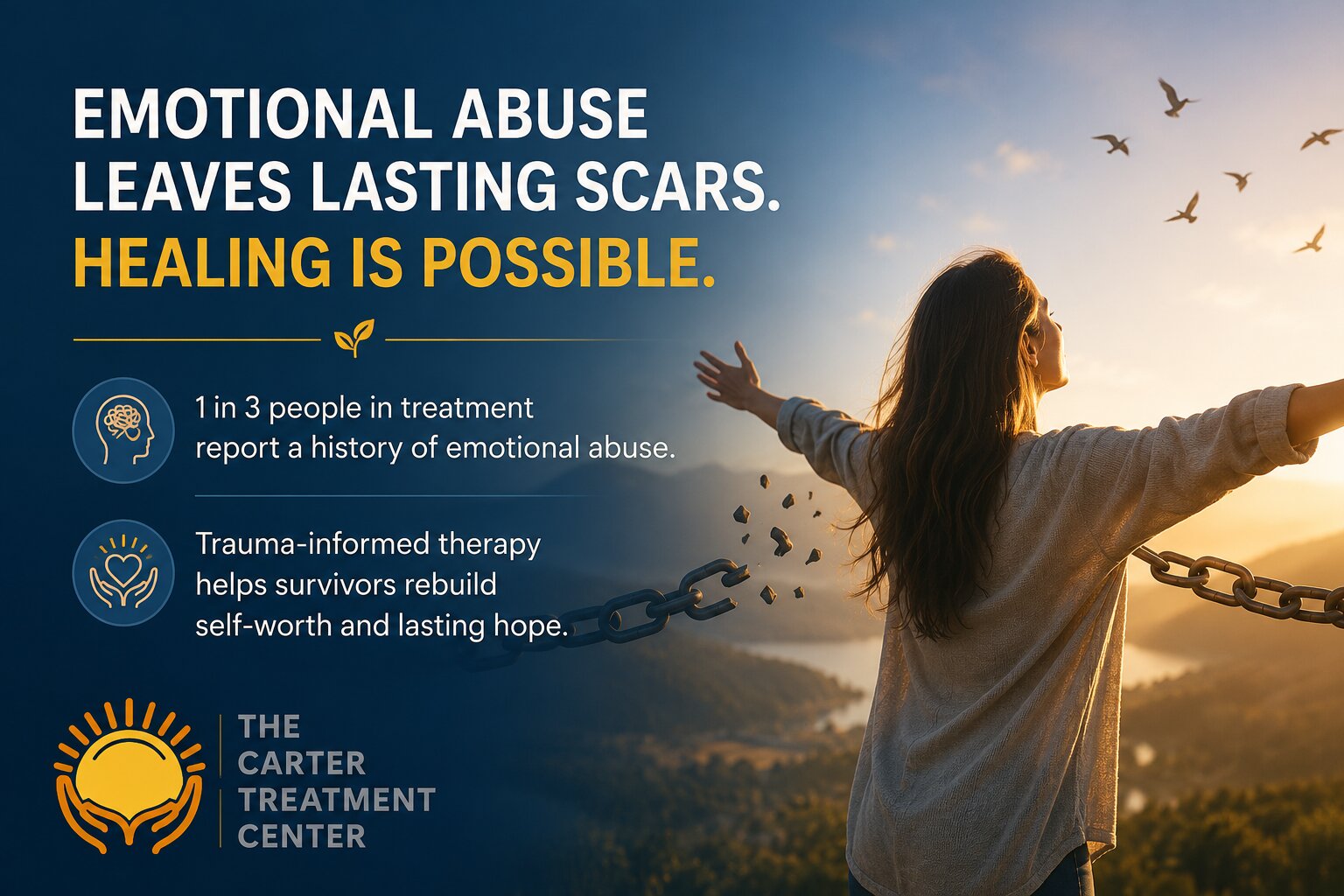
Stages of Recovery From Narcissistic Abuse
Healing rarely happens all at once.
Recovery often unfolds gradually, with progress that may feel uneven at times.
Recognizing What Happened
Many survivors spend months questioning whether the relationship was “really that bad.”
Learning about emotional manipulation can help people understand that their experiences were real and deserving of attention.
Rebuilding Trust in Yourself
One of the biggest losses after emotional abuse is confidence in your own perceptions.
Recovery involves learning to trust your thoughts, feelings, and decisions again.
This process takes patience.
Processing the Trauma
Strong emotions such as grief, anger, sadness, fear, and confusion often surface after leaving an unhealthy relationship.
Therapy provides a safe environment to explore these experiences without judgment.
Establishing Healthy Boundaries
Many survivors were taught to ignore their own needs.
Recovery includes practicing healthy boundaries, recognizing unhealthy relationship patterns, and learning that saying “no” does not make someone selfish.
Reconnecting With Your Identity
Perhaps the most meaningful stage of recovery is rediscovering who you are outside the relationship.
People often begin reconnecting with:
- Personal values
- Interests
- Friendships
- Goals
- Confidence
- Independence
Healing is not about becoming the person you were before.
It is about becoming someone who feels safe, authentic, and emotionally grounded again.
How Trauma Therapy at Carter Helps
Recovering from narcissistic abuse is about much more than ending the relationship.
Many survivors continue carrying emotional wounds long afterward.
At The Carter Treatment Center, trauma-informed outpatient care focuses on helping individuals process those experiences while rebuilding confidence, emotional safety, and healthy relationships.
Depending on each person’s needs, therapy may help individuals:
Process Traumatic Experiences
Trauma-focused therapy provides a supportive environment to understand how prolonged emotional abuse affected thoughts, emotions, and the nervous system.
Reduce Anxiety and Hypervigilance
Treatment helps many people recognize triggers, regulate emotional responses, and gradually feel safer in everyday situations.
Challenge Self-Blame
Many survivors leave emotionally abusive relationships believing they caused the abuse.
Therapy helps replace those beliefs with a more balanced, compassionate understanding of what happened.
Strengthen Boundaries
Learning healthy communication and boundary-setting skills reduces the likelihood of repeating unhealthy relationship patterns.
Rebuild Self-Worth
Perhaps most importantly, therapy supports individuals in reconnecting with their strengths, values, and sense of identity.
Healing involves much more than surviving.
It involves learning that your needs, emotions, and experiences deserve respect.
When to Seek Professional Support
It may be helpful to seek support if you:
- Constantly question your own judgment.
- Feel emotionally numb or chronically anxious.
- Have difficulty trusting others after a relationship.
- Continue blaming yourself for emotional abuse.
- Feel trapped by shame or self-doubt.
- Notice symptoms interfering with work, relationships, or daily life.
You do not have to wait until you feel “completely broken” before asking for help.
Many people benefit from therapy simply because they want to understand what happened and begin healing.
Final Thoughts
Living through narcissistic abuse can change the way you see yourself, your relationships, and the world around you. After months or years of manipulation, it is common to question your memories, lose confidence in your instincts, and wonder whether your emotional reactions are somehow the problem.
They are not.
The effects of prolonged emotional abuse are real, and so is the possibility of healing.
Recovery is not about proving that what happened was “bad enough.” It is about recognizing that your emotional pain deserves care and that you do not have to carry it alone. With trauma-informed therapy, compassionate support, and time, many survivors rebuild trust in themselves, establish healthier relationships, and create lives that are no longer defined by what they endured.
At The Carter Treatment Center, we provide individualized outpatient mental health services for adults throughout Alpharetta, Cumming, Jefferson, and the greater North Atlanta area. If the effects of a past relationship continue to impact your daily life, reaching out for professional support can be an important step toward healing. Call us today at 404.689.9980 to learn more about our treatment programs and take the first step toward a healthier, more fulfilling future.
Frequently Asked Questions
Is narcissistic abuse a form of trauma?
Yes. Prolonged emotional manipulation, gaslighting, isolation, and chronic psychological abuse can have lasting effects on mental health. Many survivors experience symptoms associated with trauma, including anxiety, hypervigilance, emotional dysregulation, and difficulties trusting others.
What is narcissistic abuse syndrome?
“Narcissistic abuse syndrome” is not an official medical diagnosis. However, the phrase is sometimes used informally to describe the emotional and psychological effects that survivors may experience after prolonged emotional abuse, such as low self-esteem, chronic self-doubt, anxiety, hypervigilance, and trauma-related symptoms. A licensed mental health professional can assess these symptoms and recommend appropriate treatment.
How do you heal from narcissistic abuse?
Healing often involves creating safety, processing the emotional impact of the relationship, rebuilding self-trust, establishing healthy boundaries, and addressing trauma-related symptoms through evidence-based therapy. Recovery looks different for everyone, but with compassionate, trauma-informed care, many survivors regain confidence, strengthen relationships, and move forward with greater emotional resilience.