

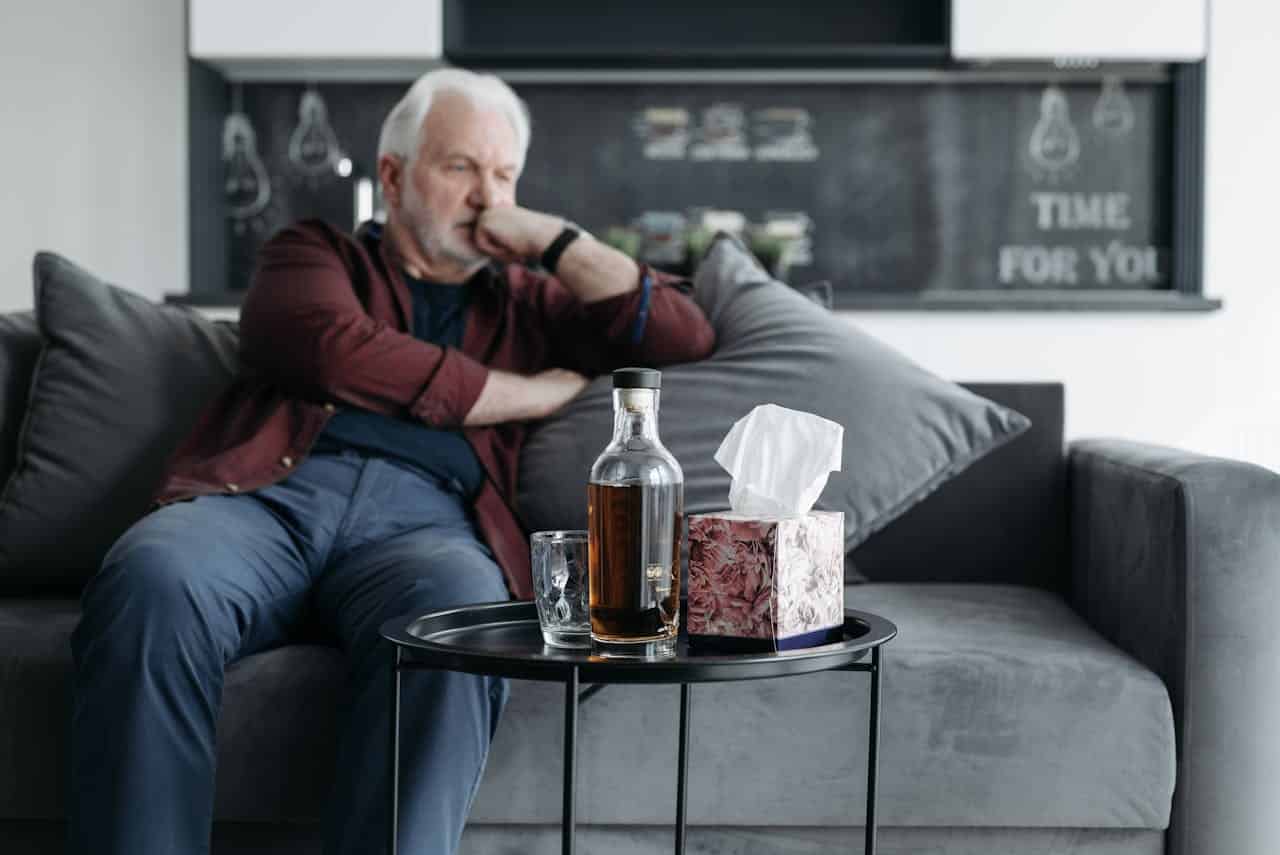
Many people drink to take the edge off anxiety. A drink after a stressful day can make you feel calmer within minutes. That calm lasts a few hours at most, and once the alcohol wears off, a lot of people feel more anxious than they did before they drank.
If you or someone close to you drinks to manage anxiety, here is what that does over time and what treatment looks like when both need attention.
Key points
- Alcohol can calm you for a few hours, and you may feel more anxious than before once it wears off
- Next-day anxiety, sometimes called “hangxiety,” comes partly from poor sleep and dehydration
- Regular drinking to cope can make both the anxiety and the drinking worse
- If you have both, look for care that treats the anxiety and the drinking together
Why a Drink Feels Calming at First
Alcohol slows down activity in the brain. It boosts the effect of GABA, a chemical messenger that calms nerve activity, and it dampens glutamate, which keeps you alert. That is why one drink can make a crowded party or a tense conversation easier to handle.
With regular drinking, the brain adjusts to alcohol’s slowing effect by running more alert to compensate. When the alcohol wears off, that extra alertness is still there, and you may feel restless or on edge.
Does Alcohol Cause Anxiety?
It can. Alcohol can make an existing anxiety disorder worse, and the National Institute on Alcohol Abuse and Alcoholism (NIAAA) notes that anxiety-like symptoms can appear after a single heavy drinking episode, even in people who don’t have an anxiety disorder. You may notice it at three different times.
As the Alcohol Wears Off
A few hours after drinking, you might feel restless, notice your heart racing, or wake up at 3 a.m. and not get back to sleep. Alcohol helps you fall asleep but disrupts your sleep later in the night, and a short night leaves most people more anxious the next day.
The Morning After
People call next-day anxiety “hangxiety.” Dehydration, low blood sugar, and poor sleep all contribute, and so does replaying the night before. You might wake up after a work happy hour with your heart pounding, trying to remember what you said to your manager.
During Withdrawal
If you drink heavily every day, anxiety, shaky hands, sweating, and trouble sleeping can be early signs of withdrawal. They usually start within 6 to 24 hours after the last drink. Withdrawal can become dangerous, and our guide to alcohol withdrawal symptoms and when to get help explains which signs need medical care. Talk with a doctor before you stop drinking.
How Drinking to Cope Turns Into a Cycle
The cycle usually builds over months. You drink to calm down, feel worse when the alcohol wears off, and then drink again to get through that. Over time, alcohol becomes the main way you handle stress.
1. You feel anxious
Work stress, a social event, or a racing mind at night
2. You drink
You feel calmer within minutes
3. The alcohol wears off
Hours later or the next morning, you feel more anxious than before
4. You drink again
The next drink feels more necessary, and you may need more of it
NIAAA describes the same cycle: drinking can ease anxiety in the short term, but heavy drinking and repeated withdrawal can make both the anxiety and the drinking worse. The two conditions often occur together. Between 20% and 40% of people treated for anxiety disorders also have an alcohol use disorder.
Drinking to get through anxiety is a warning sign, even if you don’t drink much.
Signs to Take Seriously
- You drink before social events or hard conversations to get through them
- You need more alcohol than you used to for the same calming effect
- You feel more anxious on the days after drinking and drink again to cope
- You feel on edge most mornings until you have a drink
- You’ve tried cutting back and felt shaky, irritable, or panicky
Signs in Someone You Love
If you’re worried about someone else, you might notice that they get tense or irritable when they can’t drink, say they “need” a drink to wind down every night, or seem more anxious and withdrawn the day after drinking. If you bring it up, do it gently and stick to what you’ve seen.
Will Quitting Alcohol Reduce Anxiety?
For many people, yes, though not right away. In the first days and weeks, you may feel more anxious than usual, and trouble sleeping or irritability can last for weeks or months. Once you’re sleeping better and no longer dealing with anxiety each time alcohol wears off, you may find you feel less anxious than you did while drinking. NIAAA notes that stopping drinking often improves co-occurring mental health conditions.
Some people still have anxiety after they stop, because they had it before they started drinking. A clinician can help sort this out by asking when your anxiety started and how you felt during any past breaks from drinking. If the anxiety came first, it needs its own treatment.
According to NIAAA, people who have both an alcohol use disorder and another mental health condition tend to return to drinking more often and have more severe symptoms. That is one reason to treat the anxiety as well as the drinking.
Treating Anxiety and Drinking Together
When someone has both an alcohol problem and an anxiety disorder, clinicians generally recommend treating both at the same time, ideally with one team. This is often called co-occurring or dual diagnosis treatment. It can include:
- Therapy, such as cognitive behavioral therapy (CBT) or dialectical behavior therapy (DBT), that teaches you to handle anxious thoughts without alcohol
- A plan for the times you used to drink, like the hour before a party or a night you can’t sleep
- A medication review with a prescriber, since some anxiety medications are unsafe with alcohol
- Help for family members, who often have their own worries
The Carter Treatment Center’s co-occurring disorder treatment treats mental health conditions and substance use together, in outpatient programs that let you keep working and living at home. We explain a similar cycle in our article on alcohol and depression, and you can see how treatment for alcohol use works at Carter.
Frequently Asked Questions
Does alcohol help with anxiety?
For a few hours, it can. Over days and weeks, regular drinking usually makes anxiety worse because of the anxiety that follows as alcohol wears off, poorer sleep, and the problems drinking can cause at work and at home.
Why do I get anxious after only a couple of drinks?
Some people react more strongly than others as alcohol wears off. Poor sleep, drinking on an empty stomach, and dehydration can make next-day anxiety worse, even after small amounts. If it happens often, mention it to a doctor or therapist.
How long does anxiety last after quitting alcohol?
It varies. Anxiety from withdrawal usually eases within a few days, but trouble sleeping and mood changes can last weeks or months. If you still feel very anxious after a few months, you may have an anxiety disorder that needs its own treatment.
Is it safe to drink while taking anxiety medication?
Some anxiety medications, especially benzodiazepines, are dangerous with alcohol because both slow your breathing. Ask your prescriber about your specific medication before you drink.
Talk With Our Admissions Team
If you or someone you love drinks to manage anxiety, call us to talk about what you’ve noticed and which of our programs might fit.
Sources: National Institute on Alcohol Abuse and Alcoholism, Mental Health Issues: Alcohol Use Disorder and Common Co-occurring Conditions (Core Resource on Alcohol, revised 2025). Read the resource. Cleveland Clinic, Alcohol Withdrawal (updated 2024). Read the article.